
Bike Bags Explained: Types, Uses, and Common Mistakes
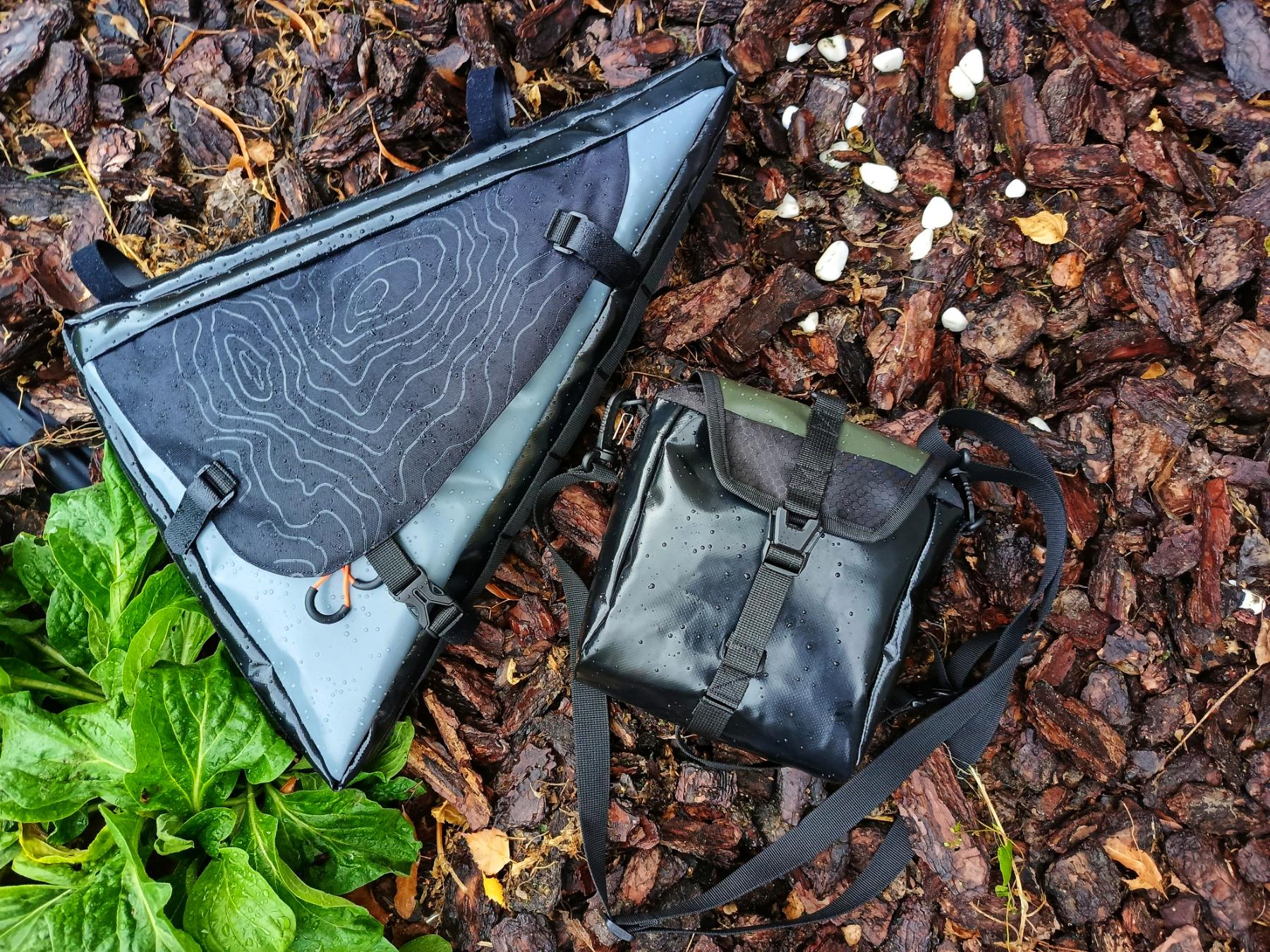
<p><img src="https://lesenok.shop/image/catalog/easyphoto/produktfotki/smsms.jpg" style="width: 941px; float: none;"><span style="font-size: 18px;"><i>Short Description</i></span></p><p><i><br></i></p><p><span style="font-size: 18px;"><i>Bike bags come in many types, each designed for a specific purpose and riding style. Understanding how handlebar, frame, saddle, and fork bags are used helps cyclists avoid common mistakes and build a setup that feels balanced, practical, and comfortable on the road.</i></span></p><p><span style="font-size: 18px;"><i><br></i></span></p><p><span style="font-size: 14px;">At some point, every cyclist realizes that riding with full pockets or an uncomfortable backpack stops being enjoyable, and this is usually the moment when bike bags enter the story. Yet the world of bike bags often feels confusing at first, because there are many shapes, positions, and names, and not all of them are meant for the same kind of riding.</span></p><p><span style="font-size: 14px;">Understanding the types of bike bags and their real purpose helps avoid unnecessary purchases and allows your bike to feel lighter, more balanced, and more natural on the road.</span></p><p><span style="font-size: 14px;">Bike bags are not just storage accessories. They are part of how your bike moves, how your body feels during the ride, and how much attention you need to give to your gear instead of the road.</span></p><p><b style="font-size: 14px;">Handlebar Bags and Feeder Bags</b></p><p><span style="font-size: 14px;">Handlebar bags and feeder bags are usually the first choice for many cyclists, especially those who ride in the city or on shorter routes. They sit close to your hands and remain visible at all times, which makes them ideal for items you need to reach quickly without stopping or unpacking anything.</span></p><p><span style="font-size: 14px;"><br></span></p><p><span style="font-size: 14px;">These bags are perfect for phones, keys, wallets, snacks, or a small camera, and when designed well, they become part of the bike’s front profile without affecting steering or comfort. The most common mistake with handlebar bags is choosing something too large, which often leads to instability and a cluttered feeling during short rides.</span></p><p><b style="font-size: 14px;">Frame Bags: Using the Bike’s Core Wisely</b></p><p><span style="font-size: 14px;">Frame bags are designed to live inside the bike’s main triangle, which makes them one of the most efficient ways to carry weight. Because they sit low and centered, they help maintain balance even when carrying heavier items.</span></p><p><span style="font-size: 14px;"><br></span></p><p><span style="font-size: 14px;">Cyclists often use frame bags for tools, food, power banks, or spare layers, especially on longer rides. The key with frame bags is choosing the right size, because a poorly fitted bag can interfere with pedaling or bottle cages, turning a practical solution into a daily annoyance.</span></p><p><b style="font-size: 14px;">Saddle Bags and Seat Packs</b></p><p><span style="font-size: 14px;">Saddle bags and seat packs are commonly used for items that do not need frequent access, such as spare tubes, clothing, or lightweight gear. On longer trips, they allow cyclists to move weight away from the front of the bike and create a more balanced setup.</span></p><p><span style="font-size: 14px;">However, these bags require careful mounting and realistic expectations. Overloading a saddle bag often causes swaying, which becomes especially noticeable on climbs or uneven surfaces, reminding riders that stability matters more than volume.</span></p><p><span style="font-size: 14px;"><br></span></p><p><span style="font-size: 14px;"><b>Fork Bags and Additional Storage</b></span></p><p><span style="font-size: 14px;">Fork bags are often associated with bikepacking and longer adventures, where extra capacity is necessary. Mounted on the fork, they allow cyclists to carry additional gear without affecting the main frame or cockpit area.</span></p><p><span style="font-size: 14px;">The most common mistake here is using fork bags for everyday riding, where their added weight and complexity usually offer little benefit. Fork bags shine when the journey demands self-sufficiency, not when the ride is short and familiar.</span></p><p><span style="font-size: 14px;"><br></span></p><p><span style="font-size: 14px;"><b>Common Mistakes When Choosing Bike Bags</b></span></p><p><span style="font-size: 14px;">One of the biggest mistakes cyclists make is buying bags based on future plans instead of current habits, choosing large setups for rides that rarely require them. Another common issue is focusing on appearance rather than function, forgetting that a bike bag should quietly support the ride instead of demanding attention.</span></p><p><span style="font-size: 14px;">Trying to force one bag to work for every scenario often leads to frustration, while building a setup gradually allows both the rider and the bike to adapt naturally over time.</span></p><p><span style="font-size: 14px;"><br></span></p><p><span style="font-size: 14px;"><b>Choosing with Intention</b></span></p><p><span style="font-size: 14px;">The best bike bag setup is not the most impressive one, but the one that matches how you actually ride. Paying attention to distance, terrain, and daily needs helps narrow down choices and prevents unnecessary weight and complexity.</span></p><p><span style="font-size: 14px;"><br></span></p><p><span style="font-size: 14px;">A well-chosen bike bag feels invisible, allowing you to focus on movement, rhythm, and the simple pleasure of riding.</span></p><p><span style="font-size: 14px;">At LESENOK®, we design bike bags with this philosophy in mind, testing them on real roads, real routes, and real rides, refining each detail until the bag feels like a natural extension of the bike.</span></p><p><span style="font-size: 14px;"><b>Handmade in Ukraine. Designed by cyclists. Built for real journeys.</b></span></p><p><span style="font-size: 14px;">To better understand how bike bags work in real riding conditions, it’s useful to start with a complete overview of bike bags for city and adventure riding</span></p><p><span style="font-size: 14px;"><a href="https://lesenok.shop/bike-bags-for-city-and-adventure">https://lesenok.shop/bike-bags-for-city-and-adventure</a></span></p><p><span style="font-size: 14px;">this helps build a clear picture of how different riding styles affect bag choice.</span></p><p><span style="font-size: 14px;"><br></span></p><p><span style="font-size: 14px;">Cyclists often struggle with choosing the right setup because they skip practical guidance, so this guide explains how to choose the right bike bag based on real cycling experience</span></p><p><span style="font-size: 14px;"><a href="https://lesenok.shop/how-to-choose-the-right-bike-bag">https://lesenok.shop/how-to-choose-the-right-bike-bag</a></span></p><p><span style="font-size: 14px;">and shows how small decisions can make a big difference on everyday rides and longer journeys.</span></p><p><span style="font-size: 14px;"><br></span></p><p><span style="font-size: 14px;">For riders comparing different setups, this article explains the real difference between urban and bikepacking bike bags</span></p><p><span style="font-size: 14px;"><a href="https://lesenok.shop/urban-vs-bikepacking-bike-bags">https://lesenok.shop/urban-vs-bikepacking-bike-bags</a></span></p><p><span style="font-size: 14px;">and helps clarify which approach works best for different types of riding.</span></p><p><span style="font-size: 14px;"><br></span></p><p><span style="font-size: 14px;">◉ LESENOK — colorful handmade cycling bag systems for every ride.</span></p><p><span style="font-size: 14px;">Practical, customizable bike bags for commuting, touring, family adventures, and bikepacking journeys.</span></p><p><span style="font-size: 14px;">100+ bike bag models • 50+ colors • Custom sizes • Worldwide shipping</span></p><p></p><p><span style="font-size: 14px;">Adventure Is Always A Good Idea. </span></p><div><br></div><p></p><p><br></p><p><span style="font-size: 14px;"><b><br></b></span></p><p><span style="font-size: 14px;"><b><br></b></span></p><p><span style="font-size: 18px;"><i><br></i></span></p>
No comments yet.